How Regular Trips to Your Auto Mechanic Can Help You Save Money Over Time
Regular visits to an auto mechanic can substantially decrease long-term vehicle expenses. Many car owners disregard preventive maintenance, bringing about costly repairs down the line. Routine inspections can detect minor issues before they escalate. This not only enhances safety but also optimizes performance and fuel efficiency. Understanding the financial benefits of regular check-ups may alter how one views vehicle ownership. What specific advantages can be secured from making a priority of these visits?
The Importance of Preventive Maintenance for Car Owners
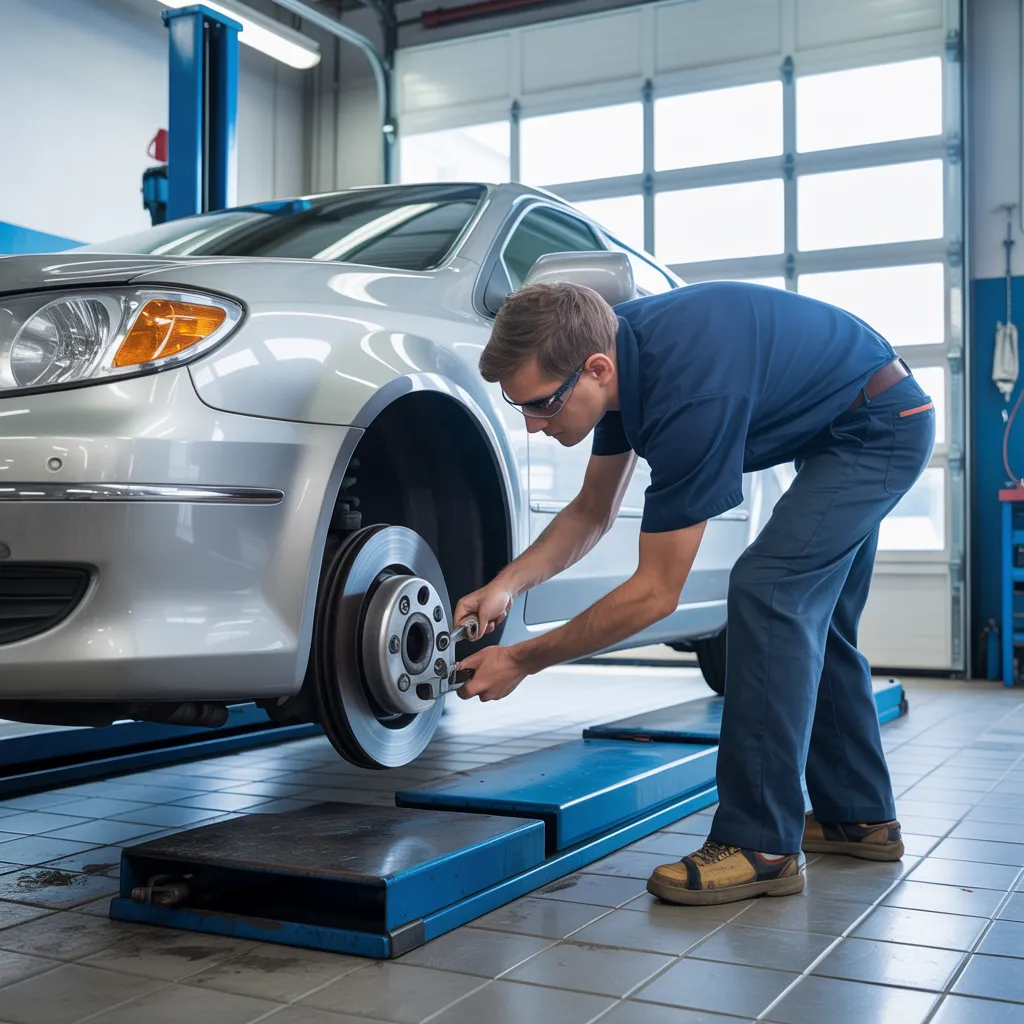
Though many car owners may disregard preventive maintenance, emphasizing it can greatly lower long-term costs and increase vehicle performance. Consistent service checks, encompassing oil changes, tire rotations, and fluid level inspections, help to lengthen the lifespan of a vehicle. By resolving small issues before they escalate into major repairs, car owners can avoid the financial burden of substantial damage.
Furthermore, a well-maintained vehicle runs more efficiently, delivering better fuel consumption and reduced emissions. This not only reduces money at the pump but also supports the environment.
Furthermore, scheduled maintenance can elevate the overall safety of the vehicle, as it guarantees essential components function correctly. Finally, committing to routine maintenance promotes peace of mind, knowing the vehicle is unlikely to experience sudden breakdowns. Vehicle owners who adopt preventive full information maintenance not only gain improved performance but also protect their investment against upcoming repair costs.
How Systematic Inspections Discover Hidden Concerns
Periodic vehicle examinations serve a vital function in early problem detection for vehicles. By discovering issues before they escalate, car owners can prevent costly repairs down the line. This proactive approach not only improves vehicle longevity but also ensures significant savings.
Early Issue Discovery
When cars receive routine inspections, underlying concerns often appear before they escalate into costly repairs. Prompt problem recognition is a crucial benefit of periodic trips to an automotive mechanic. During these inspections, mechanics examine multiple parts, such as brakes, tires, and fluid levels, recognizing erosion that may not be readily visible to the owner. This preventive strategy allows for the discovery of potential problems, such as leaks or unusual noises, which can reveal hidden problems. By addressing these concerns swiftly, vehicle owners can preserve optimal performance and safety. Eventually, regular inspections not only boost vehicle longevity but also provide peace of mind, knowing that modest problems are dealt with before they grow into considerable complications.
Avoiding Costly Repairs
Scheduled inspections not only support early problem detection but also play a pivotal role in averting costly repairs. By regularly examining vehicle components, mechanics can detect hidden issues such as deteriorated brake pads, fluid leaks, or engine irregularities before they escalate. These outwardly minor problems, if left unaddressed, can result in major failures requiring major repairs or even complete replacements. For instance, a small coolant leak could cause an overheated engine, costing thousands in damage. Consistent visits to an auto mechanic allow vehicle owners to address these concerns proactively, ultimately saving money and extending the vehicle's lifespan. Investing in routine inspections is a sensible decision that protects against unexpected expenses and strengthens overall vehicle reliability.
The Expense of Overlooking Preventive Maintenance and Minor Repairs
Failing to perform preventive maintenance and small repairs can cause significant long-term expenses for vehicle owners. When minor problems, such as worn brake pads or a small fluid leak, are disregarded, they can grow into much more serious problems. For instance, disregarding a simple oil change can result in engine deterioration, in the end requiring an expensive replacement. Moreover, failing to handle minor electrical concerns may cause complete system failures, demanding far more than the initial repair would have.
Routine appointments with an auto mechanic enable prompt actions that avoid these expensive failures. Automobile proprietors could realize that the combined costs of deferred servicing substantially outweigh the charges connected with preventive maintenance. Moreover, ignoring these issues can also diminish the vehicle's resale value, leaving owners with a depreciated asset. In the long term, regular servicing not only improves automobile durability but also preserves the owner's fiscal commitment.
How Routine Oil Changes Help You Save Money
Consistent oil changes serve a vital function in maintaining engine health and longevity. By ensuring ideal lubrication, they improve fuel efficiency and decrease the probability of costly repairs in the future. In the end, these regular services result in significant long-term savings for vehicle owners.
Longevity Benefits for Your Engine
Even though some vehicle owners could underestimate oil changes as a minor maintenance task, these routine services play a critical role in improving engine longevity. Consistent oil changes make certain that the engine is lubricated, decreasing friction and wear on its moving parts. Clean oil effectively removes contaminants that can collect over time, avoiding sludge buildup and potential engine damage. By maintaining optimal oil levels and quality, vehicle owners can eliminate overheating and excessive wear, resulting in a more durable engine. Moreover, a well-maintained engine functions more smoothly, reducing the likelihood of costly repairs. In the long run, investing in regular oil changes turns out to be a wise choice, as it prolongs engine life and lessens the risk of unexpected expenses connected to engine failure.
Improved Fuel Performance
When vehicle owners prioritize timely oil changes, they often experience better gas mileage, resulting in considerable financial savings at the pump. Clean oil minimizes friction between engine components, permitting the engine to function more smoothly. This optimal performance can lead to a substantial increase in miles per gallon (MPG). Additionally, clean oil aids in regulating engine temperature, preventing overheating and making certain that the vehicle runs efficiently. Neglecting oil changes can cause dirty, degraded oil, which can compromise engine performance and decrease fuel economy. By following a regular oil change schedule, vehicle owners simultaneously boost their automobile's performance and also reduce the frequency of refueling, ultimately leading to lower fuel expenses over time.
Preventive Maintenance Savings
Scheduled oil changes play a significant role in overall vehicle maintenance, resulting in substantial savings in the long run. Routinely servicing the oil ensures that the engine runs smoothly and efficiently, minimizing wear and tear on its components. This practice aids in avoiding costly repairs that may occur due to neglect. In addition, clean oil enhances fuel efficiency, helping drivers to save on gas expenses. Most manufacturers suggest oil changes at specific intervals, and adhering to these guidelines can extend the vehicle's lifespan. By scheduling regular oil changes, vehicle owners not only maintain peak performance but also reduce the risk of unexpected breakdowns. As a result, these preventive measures can generate significant financial benefits over time, making regular visits to the mechanic a prudent choice.
How Taking Care of Your Tires Saves You Cash
Proper tire care is vital for vehicle owners aiming to save money in the long run. Adequately maintained tires enhance fuel efficiency by guaranteeing optimal traction and reducing rolling resistance. When tires are adequately inflated and aligned, vehicles consume less fuel, leading to lower gas costs over time.
Additionally, regular tire rotations and alignments can considerably extend tire lifespan, deferring the need for expensive replacements. Irregular wear can result in premature tire failure, resulting in unexpected expenses and potential hazards on the road.
Investing in tires with sufficient tread depth also improves performance and decreases the risk of accidents. Drivers who ignore their tires may face not only increased fuel costs but also expenses tied to repairs caused by tire-related issues.
How Periodic Check-Ups Strengthen Vehicle Safety
Routine examinations are vital for maintaining vehicle safety, as they permit the early detection of potential issues that could contribute to accidents. These inspections typically cover vital components such as brakes, steering, and lights, which play a major part in safe driving. Mechanics can spot deteriorated parts, leaks, or other malfunctions that, if left unchecked, may impair vehicle performance.
Furthermore, scheduled maintenance helps verify that safety features, such as seat belts and airbags, are functioning correctly. This proactive approach minimizes the probability of mechanical failure while driving, increasing overall road safety for both the driver and other road users. Furthermore, routine checks assist in maintaining visibility by verifying that headlights and taillights are functioning, which is essential during nighttime or adverse weather conditions. Ultimately, regular check-ups not only promote safer driving experiences but also support long-term vehicle reliability.
How Consistent Visits Increase Your Vehicle's Lifespan
When vehicle owners prioritize consistent maintenance visits, they significantly extend their vehicle's lifespan. Consistent evaluations help mechanics find and fix minor issues before they become major problems. For example, scheduled oil changes, fluid evaluations, and tire rotations avoid wear and tear that could lead to engine failure or decreased performance.
In addition, routine inspections work to preserve important systems, like brakes and suspension, making sure they operate effectively. This not only increases the vehicle's useful life but also improves fuel economy, resulting in more cost savings.
Additionally, a well-maintained vehicle retains its resale value far better than one that has been overlooked. Potential buyers often seek cars with comprehensive maintenance documentation, making them more attractive in the used car market. In the end, regular visits to an auto mechanic enhance a vehicle's overall health, guaranteeing it remains efficient and reliable for years to come.
Common Questions
How Regularly Should I Schedule Visits to My Auto Mechanic?
Generally, setting up check-ups to an auto mechanic every six months or 5,000 miles is suggested. Yet, specific vehicle specifications and usage may require adjustments, making it crucial to consult the vehicle's maintenance manual for specific information.
What Should I Expect During a Routine Vehicle Inspection?
Throughout a standard vehicle examination, you can anticipate checks on fluid levels, brakes, tires, lights, and belts. Service professionals can offer a report detailing any necessary repairs or maintenance, ensuring the vehicle remains operational and safe.
Are There Certain Symptoms That Show I Need to Consult a Mechanic?
Certain signs indicate a need for a mechanic, including strange noises, warning lights on the dashboard, fluid leaks, poor performance, or peculiar odors. Taking care of these problems quickly can prevent more extensive and costly repairs later.
Can Regular Visits Improve My Vehicle's Resale Value?
Yes, regular visits to a mechanic can enhance a vehicle's resale value. Regular maintenance ensures optimal performance and dependability, which future buyers frequently seek, contributing to a higher market price and greater buyer assurance.
What Paperwork Should I Save From My Mechanic Appointments?
Keeping records of work completed, parts replaced, and repairs carried out is essential. Moreover, retaining invoices and warranties increases transparency and aids future maintenance decisions, ultimately contributing to informed vehicle care and enhanced resale value.